Lean Thinking Defined: A Way of Thinking
What is Lean Thinking?
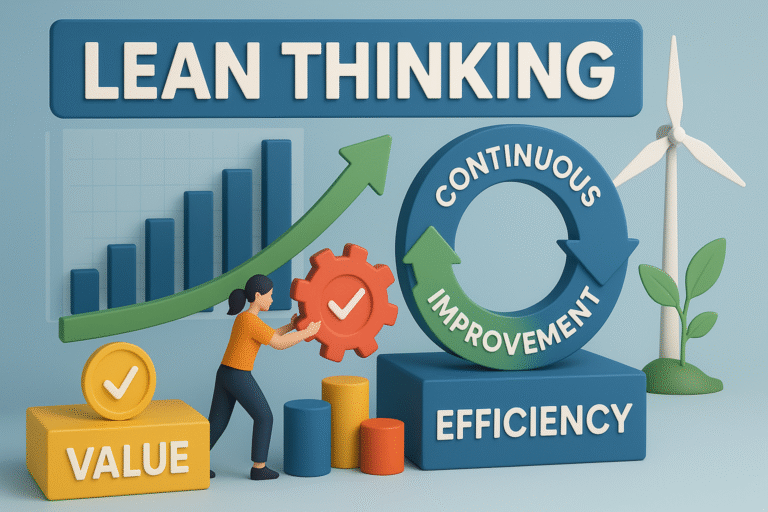
Lean Thinking is not merely a set of tools or techniques—it is a holistic philosophy for problem-solving and value creation. Rooted in principles of customer focus, efficiency, and adaptability, Lean Thinking emphasizes eliminating waste, optimizing processes, and fostering a culture of continuous improvement. At its core, Lean Thinking challenges traditional ways of working by focusing on delivering maximum value with minimal resources. It ensures that every activity carried out contributes directly to customer satisfaction, streamlining operations, and reducing unnecessary steps.The Five Principles of Lean Thinking
The foundation of Lean Thinking can be summarized in five key principles. These principles serve as a guide for adopting lean practices across any industry or organization:- Define Value: Understand what the customer values and eliminate efforts that do not contribute to delivering that value.
- Map the Value Stream: Analyze all steps in a process to identify waste and opportunities for optimization.
- Create Flow: Ensure that value-adding activities flow seamlessly without interruptions or bottlenecks.
- Establish Pull: Produce only what is needed, when it is needed, to prevent overproduction and align closely with customer demand.
- Pursue Perfection: Continuously strive for improvement in all aspects of the organization, both large and small.