How Lean Thinking Helps During a Labor Shortage
Labor shortages continue to challenge organizations across industries, requiring leaders to find innovative strategies to maintain productivity and meet customer demands. Lean thinking, rooted in the principles of waste elimination and operational excellence, offers valuable solutions during these turbulent times. By optimizing processes and leveraging existing resources, organizations can minimize the impact of labor constraints.
Optimizing Processes
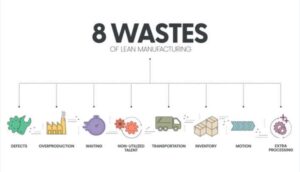
At the heart of Lean thinking is the principle of eliminating waste. During a labor shortage, this becomes even more critical as it ensures workers are only focusing on activities that add value to the organization. Waste can take many forms, such as unnecessary motion, excessive inventory, defects, or overproduction.
By analyzing workflows and removing inefficiencies, businesses can streamline their operations to require fewer labor resources without sacrificing quality or output. Techniques like value stream mapping allow organizations to identify bottlenecks, redundant steps, and other inefficiencies that consume time and energy, enabling stronger results even with a limited workforce.
Empowering the Workforce
The Lean approach values employees as its core drivers of success. During a labor shortage, empowering the existing workforce can significantly improve performance. Cross-training employees in multiple roles ensures flexibility and reduces downtime when certain employees are unavailable. This also helps create a sense of ownership, as workers feel more engaged and capable of managing different responsibilities.
Additionally, Lean emphasizes the importance of continuous improvement. When employees are encouraged to provide feedback and identify opportunities for better workflows, the organization benefits from collective intelligence while strengthening morale. Especially during challenging times like labor shortages, fostering a collaborative culture enhances resilience.
Focusing on Technology and Automation
Lean thinking also integrates seamlessly with modern advancements, empowering organizations to adopt automation and technology strategically. While Lean encourages human-centered problem-solving, it also emphasizes efficiency, meaning that repetitive, low-value tasks can often be automated. This allows employees to focus on higher-value activities, alleviating resource constraints caused by labor shortages.
Conclusion
Lean thinking equips organizations to thrive under challenging conditions like labor shortages by focusing on efficiency, teamwork, and continuous improvement. Through eliminating waste, empowering employees, and leveraging technology, businesses can maximize productivity even with limited human resources. Ultimately, Lean provides a framework for building resilient operations that adapt to changes while maintaining value for customers.